How much does it cost to paint a house in New Jersey? It is the first question almost every homeowner asks, and the honest answer is that it depends on your specific home. Painting prices in New Jersey swing widely based on the size of the job, the condition of your walls, the type of paint, and how much preparation the surfaces need. Any contractor who quotes a firm price over the phone, without ever seeing your home, is guessing.
What we can do is explain exactly what goes into the price, what pushes it up or down, and how to read a quote so you know you are getting fair value. This guide covers interior painting, exterior painting, and cabinet work, and what shapes the cost of each in New Jersey.
Why There Is No Flat Price for Painting
You will not find an honest flat rate for house painting, and that is a good thing for you. Two homes that look similar from the street can need very different amounts of work once you look closely at the walls, the trim, and the condition of the existing paint. A real price is the result of an in-person assessment, where a contractor measures the actual surfaces, checks their condition, and listens to what you want to achieve.
This is also why we never quote a number until we have seen the project. Giving a price sight unseen would mean either padding it to be safe or lowballing it and making up the difference with shortcuts later. Neither is fair to you. The sections below explain everything that goes into a quote, so when you receive one you can read it with confidence and compare contractors on equal footing.
What Affects the Cost of Painting in New Jersey?
1. Size of the Area
This is the biggest driver of cost. More square footage means more paint, more labor, and more time. A single bedroom is a completely different job than painting an entire interior, and exterior projects vary just as much depending on the home’s footprint and height. When a contractor prepares a quote, they measure paintable surface area, not just floor space, because tall walls and ceilings add up quickly.
2. Condition of the Surfaces
A wall in good condition is fast and affordable to paint. A wall with peeling paint, cracks, water stains, or holes needs repair work before a single drop of paint goes on. Proper prep, which includes patching, sanding, caulking, and priming, takes time and materials. It is also the single thing that separates a job lasting a few years from one lasting a decade. When two quotes are far apart, the difference is almost always in how much prep each contractor planned for.
3. Number of Coats Required
Most professional paint jobs need two coats for even, lasting coverage. If you are making a dramatic color change, for example switching from a deep navy to a bright white, additional coats may be needed. Dark colors, bold accent walls, and bare drywall all tend to require extra product and labor.
4. Paint Quality
Not all paints are equal. Premium paints cost more upfront but last significantly longer, hold their color better, resist stains, and are easier to clean. A cheaper paint can look identical on day one and then fade or chalk within a couple of years. At Magic Painting LLC we use high-quality paints because we would rather do the job right once than have you call us back early.
5. Interior vs. Exterior
Exterior painting involves more preparation than interior work. It includes power washing, scraping, caulking gaps, spot priming, and using paints formulated for New Jersey’s climate extremes. That added prep and the higher-grade materials make exterior work the more involved of the two.
6. Accessibility and Complexity
High ceilings, steep rooflines, intricate trim, multi-story homes, and tight spaces all require more time and sometimes specialized equipment such as scaffolding or extension ladders. A straightforward room is a different job than an ornate Victorian exterior with detailed woodwork.
7. Project Scope
Painting one room is different from painting an entire home. Larger, bundled projects are usually more efficient overall, because setup, masking, and cleanup are spread across more work. If you are considering several areas, getting them done together is often more practical than spreading the projects out.
Interior Painting Costs in Detail
For interior projects, the price comes down to a few key variables:
- Number of rooms. More rooms mean more time and more paint.
- Ceiling height. Standard eight-foot ceilings are quick. Vaulted or two-story spaces need ladders and more product.
- Trim and detail work. Baseboards, crown molding, window casings, and doors all add labor, since they are slow, careful work.
- Wall condition. Smooth walls ready to paint take less time than walls that need patching and sanding first.
- Color change. Staying in a similar color family is faster than a full color change that needs extra coats.
A simple repaint of a bedroom in its existing color is the most straightforward interior job you can ask for. A full-home repaint with new colors, trim, and ceilings is the most involved.
Exterior Painting Costs in Detail
For exterior projects, the main variables are:
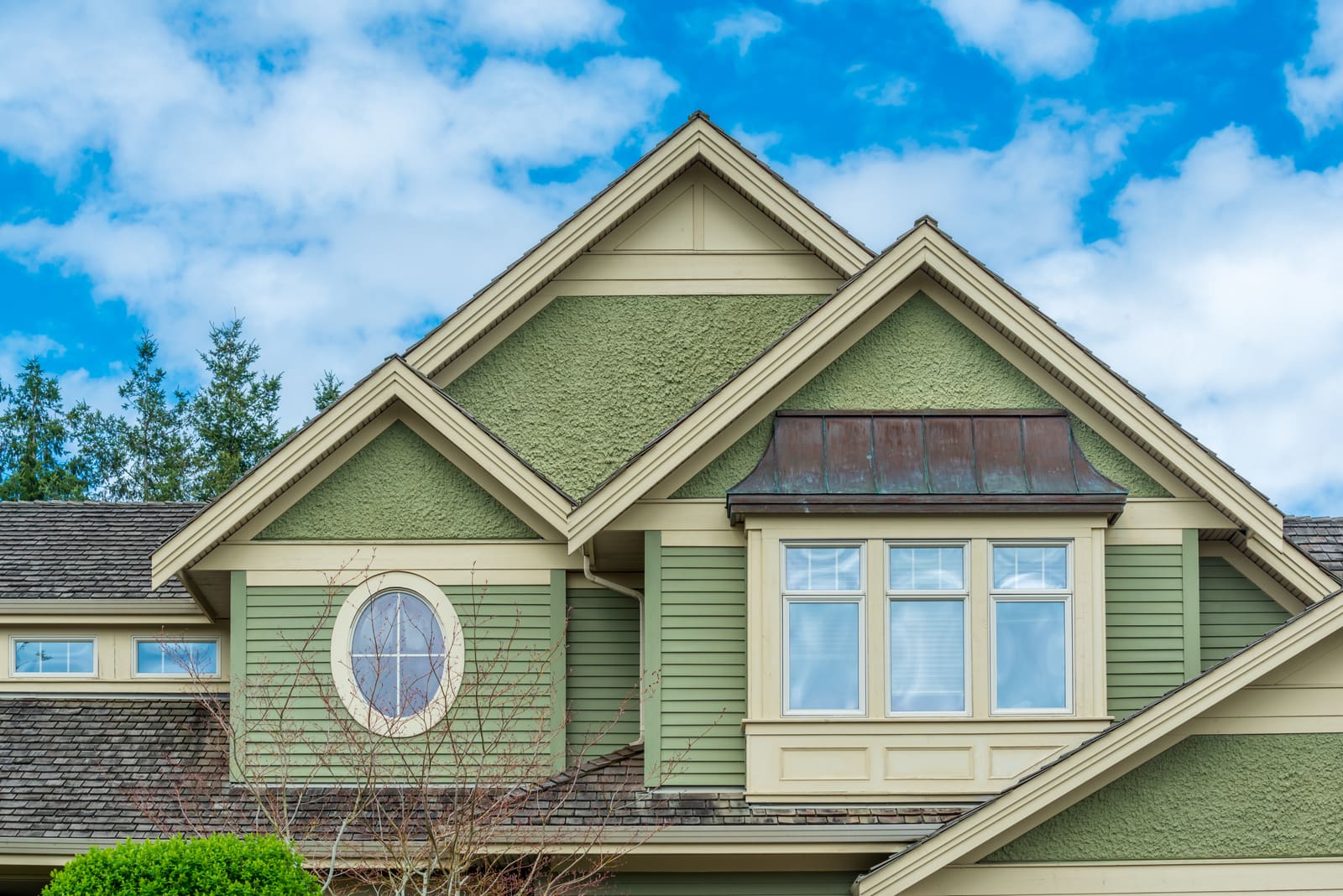
- Size of the home. Total paintable surface area, including walls, soffits, and overhangs.
- Siding material. Wood, vinyl, stucco, brick, and fiber cement each need a different approach and different products.
- Current paint condition. Peeling or flaking paint requires extensive scraping and prep, which adds hours.
- Number of stories. Added height calls for scaffolding or extended ladders and slows the crew down.
- Trim, shutters, and architectural details. Intricate details add labor time and are often listed as a separate part of the quote.
New Jersey’s climate, with cold winters, humid summers, and sharp temperature swings, means exterior paint has to be selected and applied correctly to last. Cutting corners on prep or paint quality in New Jersey usually shows up within a year or two as peeling, cracking, or fading.
What About Cabinet Painting?
Painting kitchen cabinets is one of the highest-value projects a homeowner can do. It costs far less than replacing cabinets entirely, yet it gives you a fresh, modern finish and a kitchen that feels brand new. The amount of work depends on the number of doors and drawers, whether you want them sprayed for a factory-smooth finish, and the condition of the existing cabinets. It is detailed, careful work, which is why it is worth having a professional handle it rather than treating it like a quick weekend project.
What Should Be Included in a Professional Quote
A complete, honest quote is more than a single number. Before you sign, make sure the price covers all of the following:
- Surface preparation, including patching, sanding, and caulking
- Priming where needed, especially on repairs and bare surfaces
- Two full coats of paint, not one
- Protecting and moving furniture, and covering floors
- Full cleanup and removal of debris at the end
If a quote does not spell these out, ask. The gap between a cheap quote and a fair one is usually hiding in the items a contractor left off the page.
Why the Cheapest Quote Often Costs More
It is tempting to go with the lowest number, but the cheapest quote often reflects shortcuts. Less prep means the paint fails sooner. One coat instead of two means uneven color and early wear. Lower-grade paint fades and stains faster. When a job fails early, you pay again to redo it, which makes the cheap option the expensive one over time. A fair quote is not simply the highest or the lowest. It is the one that clearly explains the work and uses quality materials.
How the Season Affects Painting in New Jersey
New Jersey has a real painting season, and timing affects both scheduling and quality. Exterior painting works best from late spring through early fall, when temperatures stay between 50 and 85 degrees and humidity is moderate. Paint applied in cold or damp conditions does not cure properly, which leads to peeling.
Because demand peaks in summer, many contractors are fully booked from June through August. If your project can wait, scheduling exterior work in May or September often means better availability. Interior painting can be done year round, since the indoor environment is controlled, so winter is often the smartest time to repaint inside while exterior crews are quiet.
Frequently Asked Questions
How much does it cost to paint a house in New Jersey? There is no single answer without seeing the home. The price depends on the size of the project, the condition of the surfaces, the type of paint, and how much prep is required. A reputable contractor will visit, assess the work, and give you a written quote based on what your project actually needs.
Is it cheaper to paint a house yourself? Doing it yourself saves on labor, but quality materials still add up, and the time investment is significant. For a whole house, the difference in finish quality and durability usually makes professional work the better value.
How long does a paint job last in New Jersey? A quality interior job lasts 7 to 10 years. Exterior paint in New Jersey typically lasts 5 to 10 years, depending on sun exposure, siding material, and how well the surface was prepared.
Why are some quotes so much lower than others? A low quote almost always means less prep, fewer coats, or cheaper paint. The work may look fine for a few months and then fail early. Always compare what is actually included, not just the bottom line.
Does the price include moving furniture and cleanup? With a professional contractor it should. Ask directly. A complete quote includes surface prep, priming, two coats, protecting your floors and furniture, and full cleanup.
Getting an Accurate Price for Your Home
Every home is different, and the only way to know what your project will cost is to have it assessed in person. The condition of your surfaces, the colors you choose, the prep required, and access around your property all shape the final number.
At Magic Painting LLC we provide free, no-obligation estimates across New Jersey. We walk through the project with you, explain what is driving the price, and give you a clear written quote with no hidden costs. If you are planning a painting project, an in-person estimate is the only way to know what yours will really cost.